
Managing Gestational Diabetes: Practical Tips for Eating Well & Moving Safely
Pregnancy is an exciting journey, but it can come with some surprises along the way. One of these is Gestational Diabetes Mellitus (GDM), which affects about 1 in 7 pregnant women in Australia. If you’ve recently been diagnosed, know that you’re not alone — and that with the right approach, you can feel healthy, confident, and prepared for your baby’s arrival.
In this guide, we’ve combined trusted advice from Claire Gardiner — Accredited Practising Dietitian and Certified Prenatal Dietitian at She Blooms Nutrition — with our physiotherapy team’s expertise in pregnancy-safe exercise. Together, we’ll help you understand what works when it comes to managing GDM through balanced nutrition and gentle movement.
Understanding Gestational Diabetes
GDM is a temporary type of diabetes that develops during pregnancy. As your baby grows, hormones produced by the placenta make it harder for insulin to do its job, which can cause higher blood sugar levels.
If untreated, high blood sugar can lead to your baby growing larger than expected, which can make birth more complex. But don’t worry — with support from your medical team,, healthy eating and appropriate movement, you can manage GDM well and reduce risks for both you and your baby.
Eating Well with GDM
Claire Gardiner’s top tips help you keep your blood sugar stable while nourishing your growing baby:
 Eat regular meals and snacks — Aim for three balanced meals and two to three healthy snacks spaced evenly throughout the day (every 3–4 hours).
Balance your plate — Include a mix of low glycaemic index (GI) carbohydrates (like sweet potato, rolled oats, lentils and most fruits), lean protein, and healthy fats to slow glucose absorption.
Pair carbs with protein or fat — For example, enjoy an apple with nut butter or wholegrain toast with eggs. This helps prevent sudden spikes in blood sugar.
Be mindful of portions — Everyone’s needs are different, but understanding portion sizes for your body makes a big difference.
Tip: You don’t need to cut carbs completely — your baby needs that energy to grow!
Every woman’s journey with GDM is unique, which is why seeing a qualified dietitian like Claire can help you create an eating plan that suits your body, family, culture and routine.
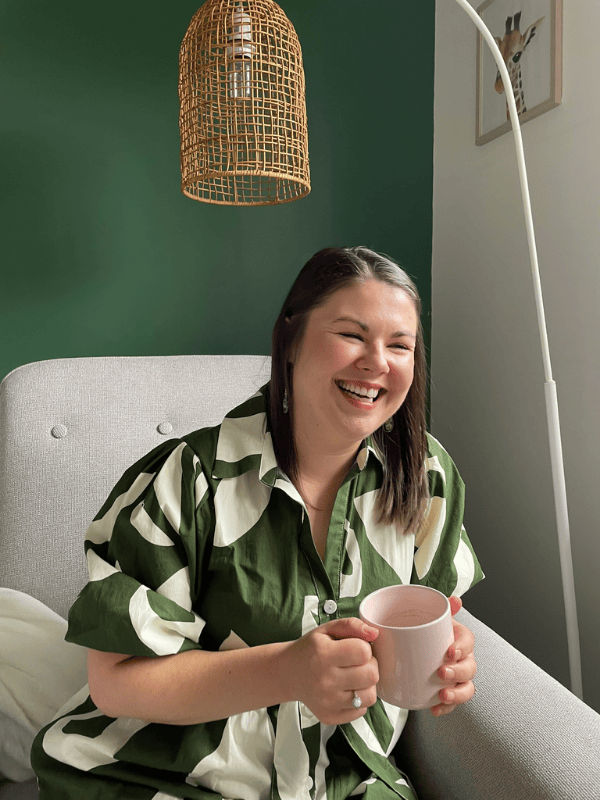
Connect with Claire at
Follow her on Instagram: @sheblooms_nutrition
Moving Safely with GDM
Alongside healthy eating, movement is one of the best ways to naturally lower blood sugar levels. Exercise helps your body use insulin more efficiently and encourages muscles to absorb glucose for energy.
What kind of exercise works best?
Research shows that a combination of aerobic exercise and resistance training is most effective.
Aerobic Exercise
Think brisk walking, swimming, cycling or low-impact cardio.
How much? Aim for 30–60 minutes at a moderate pace, three or more times per week. Even short 10–15 minute walks after meals can help lower post-meal blood sugar spikes. If you are new to exercise, get clearance from your obstetrician or GP. Then start with 10-15 minutes and gradually build this up. Aim for an intensity that you can continue to talk during the activity.
At Be In Blossom, our Pregnancy Core & Conditioning and All Women All Stages Circuit classes safely include low-impact aerobic activity to keep you moving comfortably at every stage.
Resistance Training
This includes light weights, resistance bands, Pilates, or bodyweight exercises like squats — all adjusted to your trimester and fitness level.
How much? Aim for 20–60 minutes, two to three times per week. Once again, if you are new to exercise, begin with shorter sessions and be guided by your Physiotherapist regarding the right choice of weight to begin with.
Strength training boosts insulin sensitivity, supports healthy weight gain, and helps prepare your body for birth and recovery.
Fun Fact: Research shows that just 25 minutes of light exercise twice a week can reduce your risk of developing GDM by 25%!
Individual Support Makes a Difference
No two pregnancies are the same, so your plan for managing GDM should fit your unique body, lifestyle and preferences. Working with a trusted dietitian and an experienced pregnancy physiotherapist gives you the best support to feel confident, empowered and informed.
Ready to Feel Your Best?
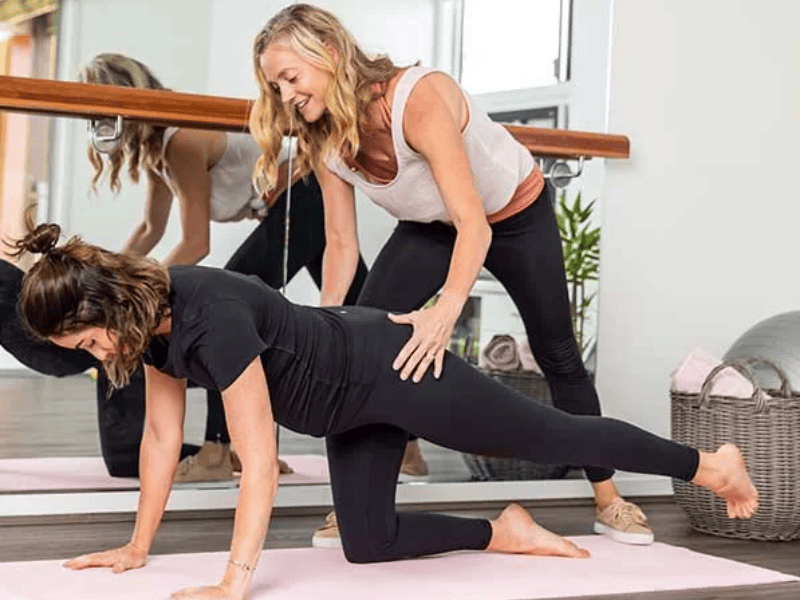
At Be In Blossom, our physiotherapist-led pregnancy classes are designed to help you stay active, manage GDM safely, and feel strong and supported throughout your journey.
Join us in Chermside or Keperra:
Pregnancy Conditioning & Cardio Chermside
Small Group or Private Reformer Pilates Keperra
All Stages All Women Circuit Keperra
Contact us today to check availability or ask us anything — we’re here for you!