
10 Leg Workout tips for Prolapse or Pelvic Floor Weakness
Pelvic organ prolapse is when one or more of the pelvic organs drop from their normal position and press against the vaginal walls creating a bulge. This may occur after pregnancy, vaginal birth, or menopause. Women with moderate prolapse commonly describe a feeling of drag or heaviness at the vaginal entrance. They may also have low back or pelvic discomfort, incontinence, and difficulty holding a tampon inside. Women with mild prolapses may experience no symptoms at all.
Activities which create higher vaginal pressures can make symptoms worse. You can read more about prolapse HERE.
Here are my top 10 tips to help you confidently get through leg day at the gym when you have pelvic organ prolapse or pelvic floor muscle weakness.
1. Know your starting point
See a pelvic health Physiotherapist for a vaginal internal examination. Game changer!
Pelvic Health Physiotherapists have undergone extensive postgraduate training to accurately assess for vaginal wall prolapse, pelvic floor muscle injury and weakness.

2. Avoid prolonged vertical force loading where the opposing ground reaction force is directly putting downward pressure into the pelvis. For example, if you are performing Bulgarian split squats, you could couple them with sidelying leg raises so that there is some horizontal time to rest the pelvic floor.
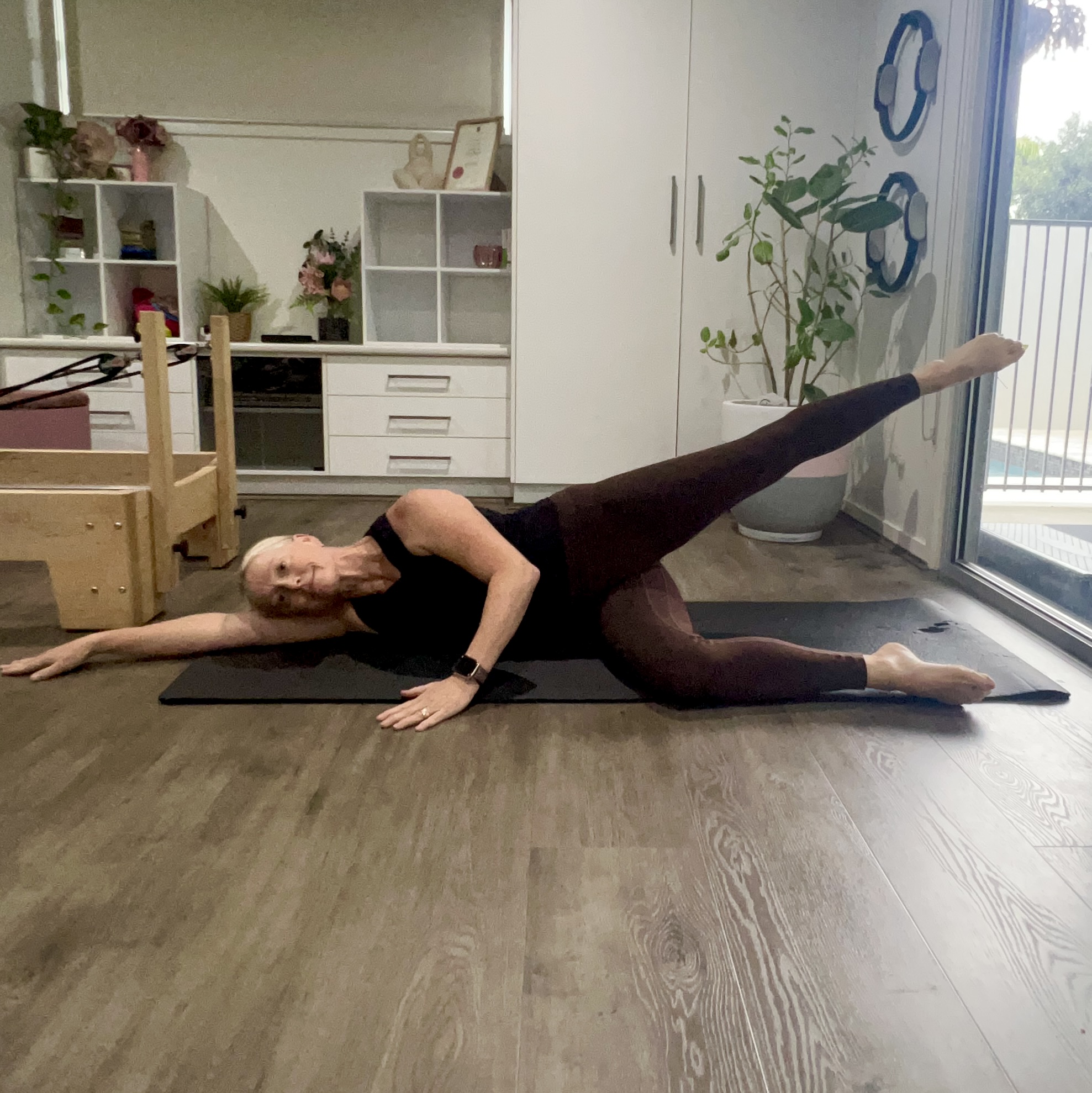
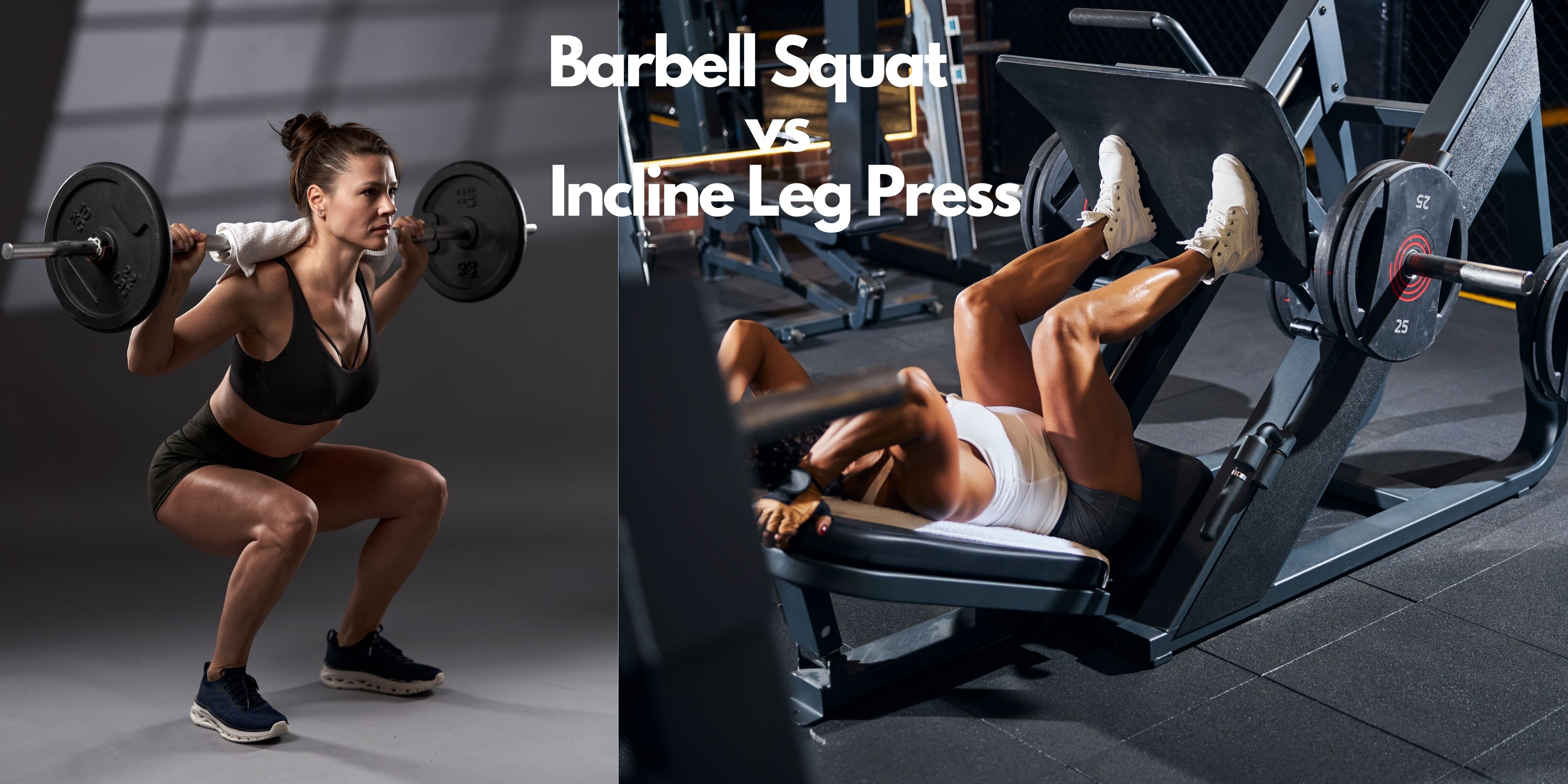
3. Make gravity your friend. Consider how gravity is interacting with your pelvic organs. For example; you could substitute an incline leg press if you find barbell squats cause you to become symptomatic. Hip thrusts with the barbell at your pelvis are another great option to get the butt muscles on fire.
4. Narrow not wide under load. The pelvic floor can’t work as effectively when the pelvic outlet is wide/open. Wide and deep squats may be helpful for overactive or tight pelvic floor but can feel like things are dropping down and out if you have moderate prolapse. Try a narrow squat with heels raised on a weight plate and Romanian Dead lifts (single or double leg)

5. Mornings are when the magic happens. As the day progresses your tissues can lengthen so that by the afternoon/evening they drop lower. You may feel more comfortable exercising at the start of the day.
6. Prop & Protect. Pessaries are an effective and comfortable way to make you feel supported and confident in your exercise. Your pelvic health physiotherapist can determine your suitability for pessary support. These silicone devices come in various shapes and sizes. An assessment will determine the most appropriate pessary for you to use. In many cases you can wear your pessary for exercise and be taught to insert and remove yourself. Think, if you had sprained your ankle multiple times wouldn’t you consider strapping it before taking to the court.

7. Variety is the spice of life. Try to mix up your training. Cross train so that you move your body in many different ways with your exercise. Consider adding exercise that improves your mind/body connection and flexibility such as pilates or yoga, as well as your strength. Try not to do consecutive leg days at the gym.
8. Spread the load wide not low. When squatting under load try and optimise your breathing pattern. Heavy weights usually require breath holding. Rather than directing the pressure directly down you can try to create a pressure ring of support through the ribcage.
9. Reset between reps. Take a little more time and check-in on your alignment before the next repetition. Plan your movement and consider if you are noticing symptoms (heaviness, drag, bulge).
10. Be in tune with your cycle. Estrogen levels drop in the second half of your cycle, and many women notice their prolapse symptoms more leading up to their period. This can be a time to focus more on endurance and lighter loads. During the first half of your cycle estrogen levels are building and there is higher testosterone, making your tissues more robust and helping you to hit your strength goals.
You might like to consider some one-on-one sessions to look at your training techniques. Understanding pelvic floor and vaginal wall support is important but there is value in learning ways to modify your movement patterns to reduce intra-vaginal pressure with strength and cardio exercises.